Does Posture Impact the Health of Dental Professionals?

Time:2026-06-10 Author:Sophia
0%

The health of dental professionals is a growing concern. Many experts question, "Does posture affect dental professionals' health?" This inquiry is relevant due to the physical demands of the profession. Dentists often work in awkward positions, leading to strain on their bodies.

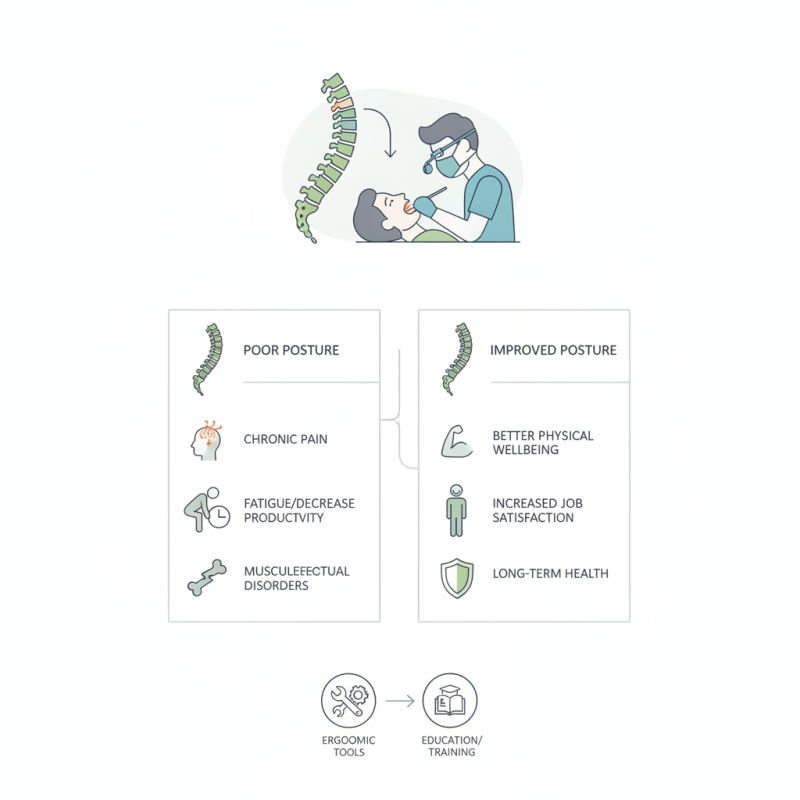
Numerous studies highlight the link between posture and health outcomes. Poor posture can lead to chronic pain, fatigue, and decreased productivity. Regularly being hunched over patients can cause musculoskeletal disorders. These issues may not surface immediately, creating a false sense of security.

Dental professionals must reflect on their work habits. Investing in ergonomic tools can improve posture and overall health. Moreover, continued education on posture is crucial. Acknowledging the importance of posture is vital for long-term health and job satisfaction in this demanding field.
Does Posture Impact the Health of Dental Professionals?

The Importance of Posture in Dentistry: An Overview

Posture plays a critical role in the health and performance of dental professionals. Daily activities include bending over patients for long periods. Poor posture can lead to strain, injuries, and even chronic pain. Many dentists and hygienists report discomfort, especially in the neck and back. This discomfort affects their ability to perform tasks efficiently.

Improving posture can make a significant difference. Simple adjustments to the dental chair and operator's position can help. Ergonomic tools also support better body alignment. However, many professionals overlook these adjustments in their busy routines. Finding time to reflect on posture might seem daunting. Still, small changes can lead to big improvements in long-term health.

Continuing education on posture is essential. Workshops or training sessions can help raise awareness. Many dental schools are starting to incorporate this into their curriculum. Educating future professionals about the importance of posture can create a healthier workforce. Maintaining proper posture is not just about comfort; it's about sustaining a career in dentistry.

Common Postural Issues Faced by Dental Professionals

Dental professionals frequently face common postural issues that can severely impact their health. Research shows that around 70% of dentists report experiencing chronic back pain. This can often be traced back to poor posture during long hours of work. Many spend their days in awkward positions, bending or twisting to reach patients. This not only places strain on the spine but also affects their overall well-being.

Another prevalent issue is neck pain. Studies indicate that nearly 80% of dental hygienists suffer from neck-related discomfort. This is primarily due to the forward head posture adopted while working. Additionally, prolonged static postures contribute to fatigue and discomfort. As dental professionals lean over patients, their shoulders may become tense, leading to potential long-term musculoskeletal disorders.

Moreover, wrist strain is a concern. Professionals often fall victim to repetitive strain injuries. The positions required for precise movements can lead to conditions like carpal tunnel syndrome. It’s essential to recognize these signs early. Regular ergonomic assessments and proper training on posture can help mitigate these risks. Finding practical solutions is crucial for sustaining a healthy career in dentistry.

Health Consequences of Poor Posture in Dental Practice

In dental practice, posture often gets overlooked. Yet, studies show that 60% of dental professionals experience musculoskeletal issues. Poor posture leads to serious health consequences. The repetitive movements and extended hours can strain neck, back, and shoulders. Dental professionals often spend hours bent over patients, which can cause chronic pain and discomfort.

An industry report by the American Dental Association highlights that 65% of dentists report back pain. This results in decreased productivity and creates challenges in delivering optimal patient care. Ergonomic considerations are crucial to mitigate these risks. Simple changes can make a significant difference. Adjusting the height of the dental chair or using magnifying lenses can ease the strain on the body.

**Tips:**
Consider taking regular breaks. These breaks can help relieve tension. Stretching exercises targeted at the back and neck are beneficial. Investing in ergonomic tools may also support better posture while working. The goal is to create a supportive environment that promotes both health and effective dental practice.

Does Posture Impact the Health of Dental Professionals?

This chart illustrates the prevalence of health issues among dental professionals attributed to poor posture while working. The data highlights the significant impact that ergonomic factors can have on physical well-being in the dental practice environment.

Strategies for Improving Posture in Dental Work Environments

Dental professionals often face posture-related challenges in their work environments. Extended hours spent hunched over patients can lead to discomfort and long-term health issues. Ergonomics plays a crucial role in reducing strain. Simple adjustments can make a significant difference.

Incorporating adjustable chairs and ergonomic tools can help maintain a healthy posture. Dental practitioners should focus on their seating position. Feet should rest flat on the ground. Back support should encourage a natural spine alignment. Additionally, frequent breaks can alleviate tension. Short stretches during the day are essential for reducing stiffness. Encouraging a culture of awareness surrounding posture is vital.

Educating staff about the importance of posture can empower them to take control of their health. Workshops focused on ergonomic best practices can be beneficial. Engaging in discussions about common postural issues may lead to sharing solutions. Reflecting on personal experiences with posture can foster a supportive environment. It is often easy to overlook these aspects in busy dental practices, yet taking proactive steps is key for long-term well-being.

Ergonomic Tools and Techniques for Dental Professionals

Dental professionals often work long hours in challenging postures. Ergonomics plays a key role in their health and efficiency. Proper tools and techniques can reduce strain on the body. For instance, adjustable chairs and magnifying loupes can help maintain a neutral spine. This positioning reduces neck and back pain over time.

Implementing ergonomic tools isn’t always straightforward. Many professionals may resist change, as they are accustomed to their habits. Training on posture and equipment use is vital. Regular breaks can also minimize stiffness. A simple stretch can be a game-changer during a busy day. The right techniques can improve comfort and productivity.

Investing time in ergonomics is essential. It’s not just about comfort; it's about long-term health. Dense schedules may lead professionals to overlook their wellbeing. Prioritizing ergonomic practices, however, can significantly enhance both work experiences and patient care.

FAQS

: Why is posture important for dental professionals?

: Posture is crucial for health and performance. Poor posture can lead to injuries and chronic pain.

What common issues do dental professionals face due to poor posture?

Many experience neck and back pain. Around 70% of dentists report chronic back pain.

How does poor posture affect productivity in dentistry?

It can decrease productivity. Pain and discomfort make it challenging to deliver optimal patient care.

What are some health risks linked to poor posture?

Musculoskeletal issues are common. Conditions may include chronic pain, neck discomfort, and repetitive strain injuries.

What solutions can improve posture in dental practice?

Simple adjustments, ergonomic tools, and better chair height can support proper alignment.

How can dental professionals prevent posture-related injuries?

Regular breaks and stretching exercises can relieve tension. Awareness of posture is important.

Is there ongoing education about posture in dentistry?

Yes, many schools are incorporating posture education into their curriculum. Workshops can increase awareness.

How often do dental professionals neglect posture?

Often, they overlook posture due to busy routines, which can worsen health problems.

What percentage of dental hygienists suffer from neck pain?

Nearly 80% of dental hygienists report neck pain, mainly due to poor posture.

Can small changes really make a difference for dental professionals?

Yes, even minor adjustments can lead to significant long-term health improvements.

Conclusion

Maintaining proper posture is crucial for dental professionals, as it directly influences their overall health and well-being. The article highlights common postural issues faced by dentists, such as musculoskeletal discomfort and fatigue, that stem from prolonged periods of bending and awkward positioning. These issues can lead to significant health consequences, including chronic pain and decreased productivity in the workplace.

To combat these challenges, the article outlines effective strategies for improving posture in dental settings, emphasizing the importance of ergonomic tools and techniques. By integrating these practices into their daily routines, dental professionals can enhance their physical health, ultimately leading to a more sustainable and efficient practice. In conclusion, it is evident that does posture affect dental professionals' health, making it essential for dentists to prioritize their posture to mitigate health risks associated with their profession.

Sophia

Sophia

Sophia is a dedicated marketing professional with an exceptional depth of knowledge about her company's products and services. With a keen understanding of market trends and customer needs, she crafts insightful blog posts that not only inform but also engage readers, enriching the company’s online......